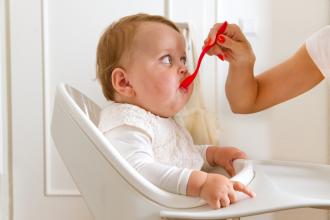
Attachment behaviors embody what an infant does to promote proximity to a caregiver and ensure safety, security, and survival. Warm, sensitive, and responsive parenting generally contributes to secure attachment. In order for an infant to be attached, an attachment figure or object must, of course, be available. The attachment figure needs to have an ongoing emotional investment in the child.[1,2] In some situations caregivers other than parental figures, often out of necessity, act as temporary attachment figures; not all of these will become attachment objects.
From the moment of birth, a child begins to assert independent functioning. No longer receiving nutrients passively through the umbilical cord, the infant now needs to receive nutrients by the process of being fed. This involves at least two people, surrounded by the family network, which in turn is embedded in a sociocultural context. Not only does the child have to be aware of and signal his or her needs, the caregiver has to recognize these signals and respond appropriately.
Although childhood diagnostic categories have only recently included regulation disorders (RD) of sensory processing, babies described as “colicky” or observed to have extreme reactions to sensory input have always existed.
It has become a badge of office: a symbol of the power to heal. Therefore the wearer must be the genuine article, possessing extraordinary skills and veiled in respectability, not to mention being a member of a rather exclusive club.
However, the increasing frequency of its appearance in recent times has, in my mind, diluted that very exclusivity of the person wearing it. I am, of course, referring to the stethoscope.