Why is Baby Charlie failing to thrive?
Shifting the spending in human capital to the young in British Columbia
Read More
Shifting the spending in human capital to the young in British Columbia
Read MoreConceptually, harm reduction is an approach that reduces the harmful effects of behavior. It involves a range of nonjudgmental approaches and strategies aimed at providing and enhancing the knowledge, skills, resources, and supports for individuals, their families, and communities to make informed decisions to be safer and healthier.[1]
Read More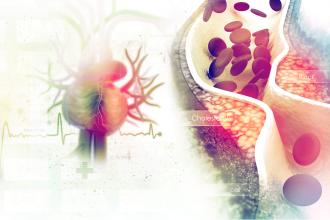
In contemporary medicine, the clinician must be able to readily incorporate information from clinical trials into his or her busy clinical practice. This process is made easier when the information is derived from rigorously conducted, large-scale, randomized clinical trials with meaningful endpoints (such as trials that show a reduction in mortality from a particular intervention). However, in modern clinical trials, measuring these endpoints may be difficult or impossible. This limitation is especially true in the study of atherosclerosis.
Read More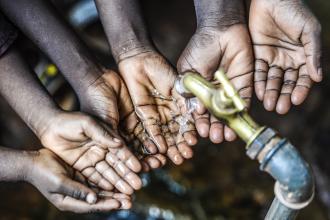
In the field of infectious disease, cholera is one of the most instructive diseases to study because it touches on several disciplines, including microbiology, epidemiology, marine biology, climatology, waste management, and socioeconomics. The study of cholera began in earnest more than 100 years ago. In 1854, the city of London was in the grip of a terrible cholera outbreak affecting hundreds and killing dozens.
Read More
Polycystic ovary syndrome (PCOS) is a prevalent reproductive and metabolic disorder with variable phenotypes and an underlying pathophysiology that is still not completely understood.
Read More