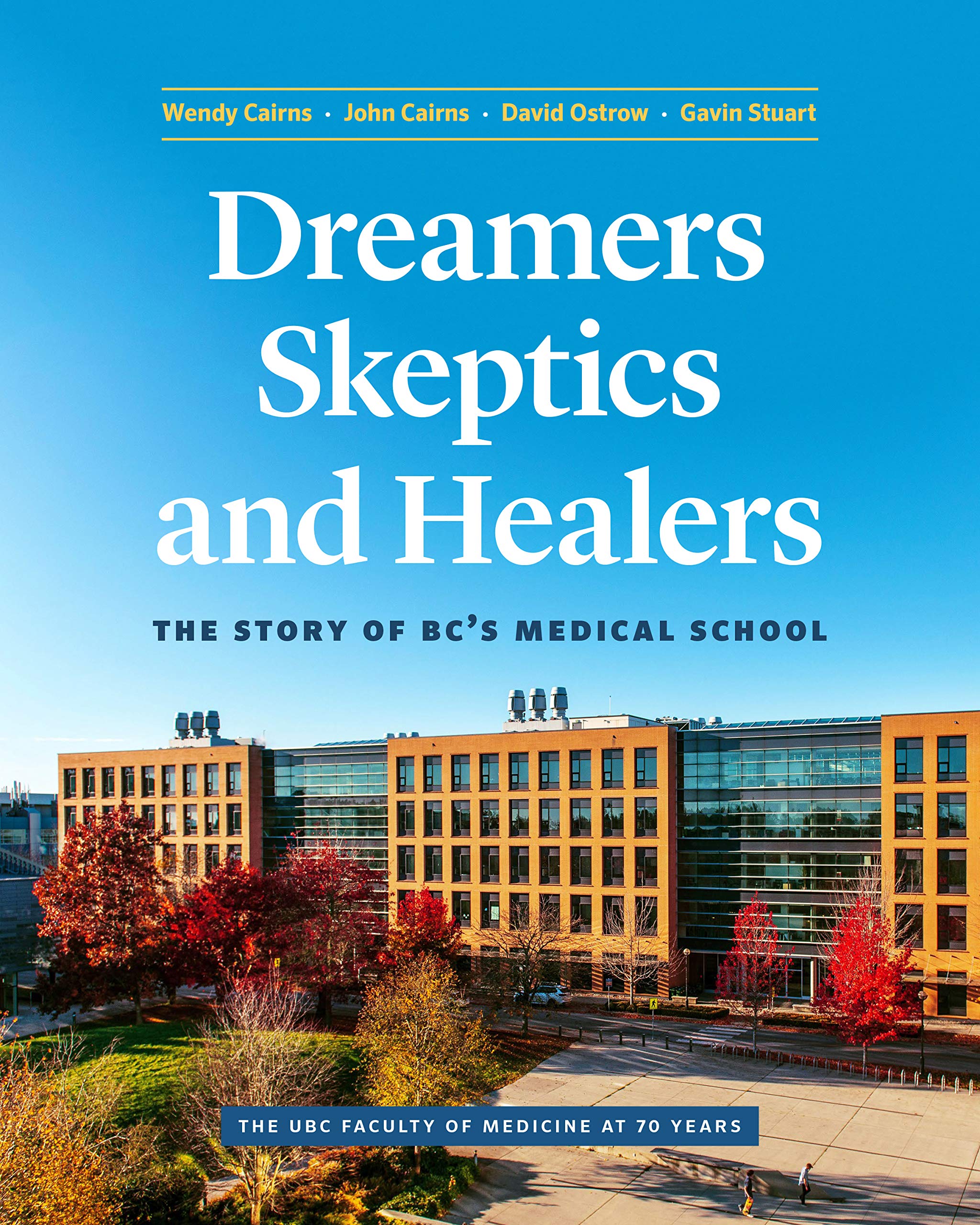
In May 1954, the editor of the Vancouver Medical Association Bulletin wrote, “This issue of the Bulletin is intended to commemorate one of the greatest events in the medical history of British Columbia—the granting of the degree of Doctor of Medicine to the first graduates from the Faculty of Medicine of the University of British Columbia.
The UBC Medicine Spring Gala is a yearly celebration of the visual and performing arts where UBC medical students come together to showcase their talents and passions from outside the medical realm. It is a beloved event that brings together the entire medical community and promotes connection, healing, and shared appreciation of creative expression.
The November 2018 issue of the BCMJ included two articles about diabetes management in British Columbia and a guest editorial that referred to the Therapeutics Initiative (TI). We would like to respond to the information provided in that issue by clarifying our organization’s goals and processes and our role in BC’s health care system.
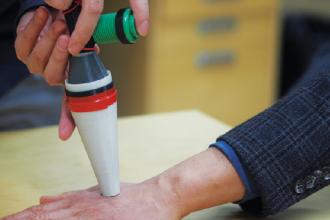
Work is being done on a simple compact laser probe that can distinguish between harmless moles and cancerous ones in a matter of seconds. Daniel Louie, a PhD student, constructed the device as part of his studies in biomedical engineering at the University of British Columbia. The probe works on the principle that light waves change as they pass through objects. Researchers aimed a laser into 69 lesions from 47 volunteer patients at the Vancouver General Hospital Skin Care Centre and studied the changes that occurred to this light beam. Because cancer cells are denser, larger, and more irregularly shaped than normal cells, they caused distinctive scattering in the light waves as they passed through. Researchers were able to invent a novel way to interpret the patterns instantaneously. This optical probe can extract measurements without needing expensive lenses or cameras, and it can provide a more easily interpreted numerical result like those of a thermometer. Although the components of the probe cost only a few hundred dollars, it is not envisioned to be a consumer product. Tim Lee, an associate professor of skin science and dermatology at UBC and a senior scientist at both BC Cancer and the Vancouver Coastal Health Research Institute, supervised the work. He believes the device would be a good future addition to standard cancer screening methods, but not a replacement.