

In July 2012, WorkSafeBC amended the Workers Compensation Act to more clearly define coverage for work-related mental illness. In April 2018, the provincial government introduced presumptive legislation for five groups of first responders in the province, and a year later, expanded the eligible occupations to include:
Read More
Workers with accepted physical injury or mental health claims who present with concurrent substance use may be eligible for a range of psychiatric and addiction services through WorkSafeBC. Family doctors whose patients will benefit from mental health or addiction assessment and treatment can provide this recommendation by contacting their patient’s WorkSafeBC case manager or providing a medical history summary and recommendation in your Physician’s Report (Form 8/11).
WorkSafeBC’s contracted providers deliver a variety of community-based and residential addiction services.
Read More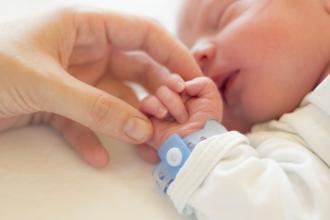
Eating the placenta provides no mental health benefits for new mothers, suggests new research from the BC Mental Health and Substance Use Services Research Institute and the University of British Columbia. The study, published in the Journal of Obstetrics and Gynaecology Canada, is the largest so far to look at the effects of eating one’s placenta—a practice known as placentophagy. Researchers used data from a 10-year genetic study involving 138 women with a history of mood disorders, and compared outcomes of those who had eaten their placenta to those who had not.
Read MoreMy thanks to Ms Ono, Dr Friedlander, and Dr Salih for their article, “Falling through the cracks: How service gaps leave children with neurodevelopmental disorders and mental health difficulties without the care they need” [BCMJ 2019;61:114-124]. It is a powerful reminder that children grow up and develop into adults, with the spectrum of neurodevelopmental disorders continuing into adulthood.
Read More