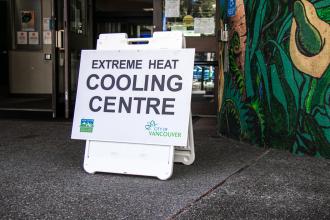
The 2021 heat dome was one of the deadliest weather events in Canadian history,[1] and during that period schizophrenia was associated with a higher risk of death than any other chronic disease.[2] There were 134 deaths among people with schizophrenia in BC during the hottest 8-day period. This represents approximately 8% of all deaths during the event, even though people with schizophrenia represent only approximately 1% of the BC population.
The burden of disease related to mental health disorders has increased in Canada, especially during periods of transition.[1] Most recently, the importance of mental health has come to the forefront as the psychiatric consequences of the COVID-19 pandemic are seen in Canada. Substance use rates have skyrocketed, and the number of deaths from the drug toxicity crisis in some provinces, such as British Columbia, outweigh the number of deaths from COVID-19.[2]
British Columbians are outpacing the rest of Canada in a decline in hopefulness.[1] In 2021–2022, 64% of people in Canada were hopeful about the future, down from 75% in 2016. The nation’s 11% decline in hopefulness has been outmatched by British Columbia, where people have experienced a more marked decline of 14%.