Toxicants such as lead and mercury pass from mother to fetus, potentially leading to slowed growth and neurodevelopment in the child. Two in five Greater Vancouver residents are immigrants, and nearly one-third arrived within the last decade.[1] Adult women born outside Canada tend to have higher body burdens of reproductive and developmental toxicants than women born in Canada.[2,3] Heavy metals (lead, mercury, and cadmium), PCBs, and organochlorine pesticides such as DDT are the primary toxicants of concern.
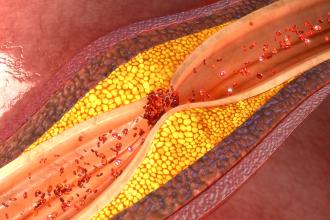
Schizophrenia is a debilitating disease affecting 1% of Canadians,[1] with prevalence rates climbing.[2] Compared with the general population, people with schizophrenia have a risk of premature death that is 2 to 3 times higher.[3,4] Although suicide and high-risk behaviors contribute to mortality, coronary artery disease (CAD) is the leading cause of death[5,6] and accounts for 50% of mortality.
If you have working patients who have suffered fractures of the calcaneus, consider a conservative approach to treatment. The long-term prognosis with these fractures—particularly with regard to return to work—is usually associated with lengthy recovery and limited mobility, along with a possible need for reconstructive surgery.
The Ministry of Health recently released its health system planning guide, Setting Priorities for the BC Health System. Priority one in the guide is to shift the health care system from a disease-centred focus to more of a patient-centred focus. The document states this focus “will drive policy, service design, training, service delivery, and service accountability systems over the coming 3 years.”[1]