The US Surgeon General recently issued an advisory on the youth mental health crisis, which was worsened by COVID-19, calling for swift, coordinated actions.[1] The situation in BC is similar. It is time for BC and Canada to create comprehensive strategies for child and youth mental health and substance use (CYMHSU), emphasizing prevention.
The Joint Collaborative Committees (JCCs) acknowledge that they must be learners and active participants in decolonizing BC’s health care system, returning the right to access quality health care that is safe and free of racism and discrimination to Indigenous peoples (First Nations, Métis, and Inuit).
Further to the release of the 2020 In Plain Sight report, the JCCs have prioritized partnering with Indigenous communities and health care organizations to respond to the needs of Indigenous patients and be inclusive of Indigenous perspectives of health and wellness.
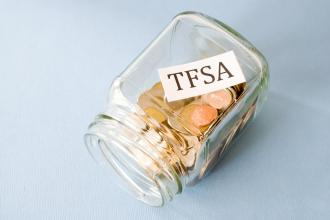
There are few free rides in personal finance, but Canada’s Tax-Free Savings Account (TFSA) program is one of the most generous to investors. Your interest, dividends, and capital gains can grow tax-exempt, and there’s no tax on withdrawals.
Anyone who is 18 or older and has a valid social insurance number can open a TFSA. Since 2009, your personal contribution has been accumulating for every year that you were eligible. That means if you’ve never contributed to a TFSA, you may be able to put in up to $81 500 in 2022. The annual TSFA limit is $6000 in 2022.
While the two leading health crises in BC remain opioids and COVID-19, a third—the declining access to primary care—is rapidly gaining ground.
Statistics Canada figures from 2019 indicate that 17.7% of BC residents (897 567) lacked a regular health care provider.[1] The situation in Greater Victoria is of particular note: notwithstanding the ideal climate, natural beauty, and many cultural amenities of the province’s capital, it is held that 100 000 residents lack a family physician.[1]