Background Concerns about zoonoses
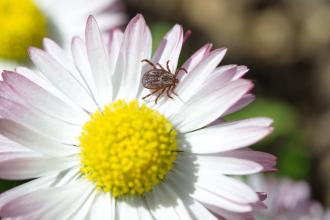
Several species of ticks—arthropod ectoparasites such as Ixodes pacificus—transmit pathogens that cause the most frequently contracted zoonoses in North America.[1] Human cases of these diseases (e.g., Lyme disease, anaplasmosis, human babesiosis) are rare in the South Okanagan region of British Columbia.[2]
Nonspecific neck pain (NSNP)—neck pain without specific underlying disease—is a serious public health problem that has become a major cause of disability around the world. Each year, 27% to 48% of workers suffer NSNP.
Established risk factors include age, sex, genetics, smoking, and poor psychological health. Prognosis of NSNP appears to be multifactorial. Poor health, prior neck pain, poor psychological health, worrying, and passive coping are associated with poor prognosis.
In order to gauge the effectiveness of any program or project, it’s important to set benchmarks and then measure at periodic intervals. That’s exactly what your association has done to determine its effectiveness and relevance to members.
Whether to accept gifts from patients is a thorny issue, made even more fraught in the psychiatric context. Here is an examination of the issue and a comparison of the policies of Canadian provinces regarding gifts from patients.
I have been taught to accept a gift graciously regardless of whether I like it. The decision of whether to accept a gift has never caused a problem for me as a medical student, since patients tend to tolerate us rather than give us gifts.