By:
Workers injured as a result of significant trauma or lifting activities may present with symptoms of a thoracic disc herniation (TDH).
Diagnosis
Diagnosis can be challenging, since the estimated incidence of symptomatic TDH is approximately one in a million per year,[1] and 0.25% to 0.75% of total incidents of symptomatic spinal disc herniations.[2] Incidence is highest in males between ages 40 and 60. An accurate diagnosis of TDH requires strong clinical diagnosis with imaging confirmation.
hidden
Access to primary care is a problem. Despite many programs and possible solutions, patients across Canada continue to struggle to find a family doctor. In fact, according to the Canadian Institute of Health Information, we have the distinction of having the longest wait times in the developed world. André Picard suggested in his 16 February Globe and Mail column, “More than anything else though, what Canada needs to fix [in terms of] its systemic health-care woes is to create a semblance of a system. What distinguishes the countries that have markedly better results than Canada .
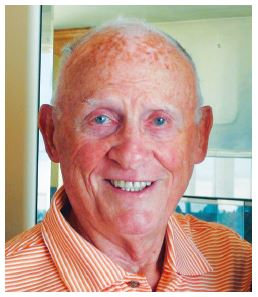
Ivan died peacefully at home surrounded by loved ones—his wife, Patricia; his daughters, Jenny Spring (Jim) and Linda Szasz (Craig); and his grandsons, Marcel and Garnet—and with a feeling of gratefulness for the full life he enjoyed.
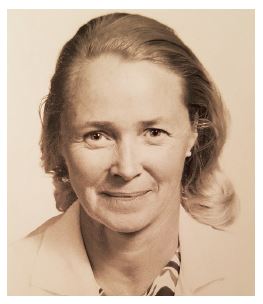
With the passing of Dr Eileen Cambon, BC has lost one of its pioneer female physicians.
In 1958, Dr Cambon arrived in Vancouver to become the first female ophthalmologist to practise in BC, and she did so for 44 years. She was a great role model for women in medicine and was adored by her patients.
Since its launch in 2012, the Take-Home Naloxone program has reversed over 10 000 opioid overdoses, but the opioid crisis is far from over. Even with the programs in place, 780 people have died of illegal drug overdoses since the beginning of 2017. Currently, most overdoses are reversed by paramedics and other health care workers, as well as loved ones of people who use drugs. But the take-home kits rarely help people who use drugs on their own—a demographic that, according to the BC Centre for Disease Control, may account for as much as 50% of illegal drug overdoses.