Making the most of my screen time
Issue: BCMJ,
vol. 68, No. 9, November 2026
|
Pages 332-334 |
Premise
Reflections from a resident doctor’s experience in Real-Time Virtual Support.
 By the time you reach the 5th year of your emergency medicine residency, you start to feel like you’re getting the hang of it. You’ve run traumas, managed shock, and intubated a crashing patient at 3 a.m. You’ve learned to think in parallel and act decisively.
Then you open the door to something entirely new.
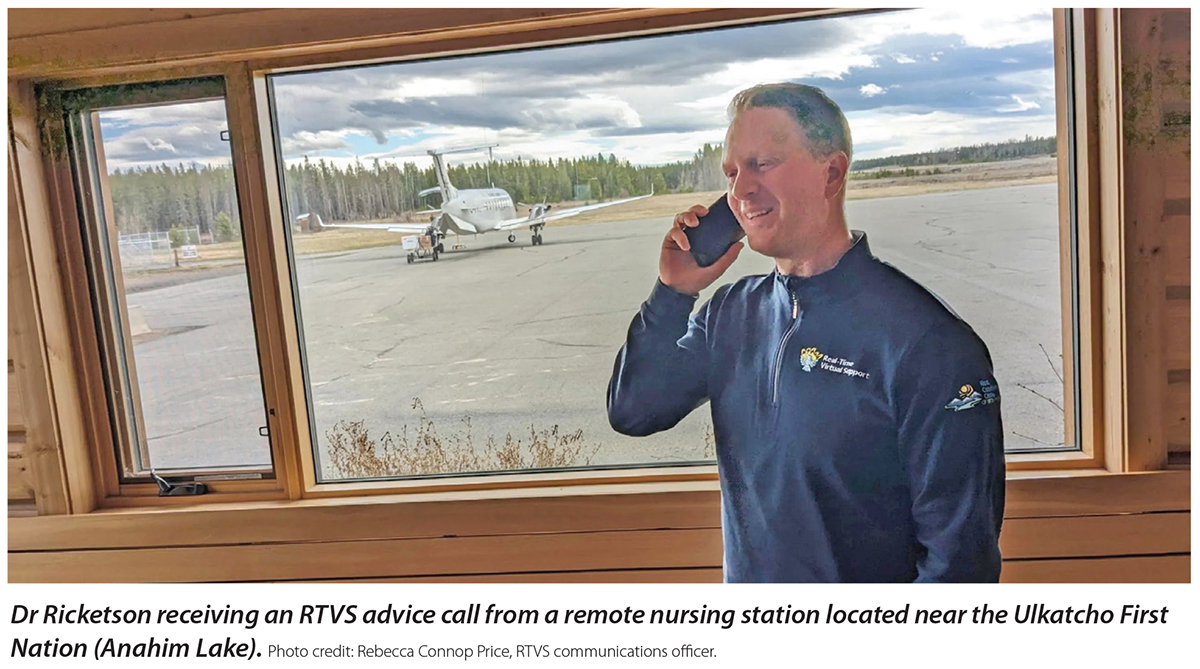
For me, that was participating in Real-Time Virtual Support (RTVS), a provincial network that provides instant virtual peer-to-peer consultative support to physicians and other health care providers in rural communities. By connecting frontline clinicians with experienced colleagues in real time, RTVS has become an essential component of equitable emergency care in British Columbia, strengthening local care through partnership, shared decision making, and support for the expertise already present on the ground.
Despite training in large urban academic centres, I’ve always gravitated toward rural and remote practice. I’m currently completing an area of concentrated expertise in rural and remote emergency medicine, which has taken me across our beautiful province and into Canada’s far north. But until recently, virtual emergency medicine was uncharted territory for me.
Through RTVS, I worked within two pathways administered by the Rural Coordination Centre of BC. RUDi (Rural Urgent Doctor-in-aid) provides 24/7 virtual emergency support to rural physicians, remote nursing stations, and other frontline clinicians by reviewing cases, assisting in critical moments, and collaborating in real time when help is needed most. VERRa (Virtual Emergency Room Rural assistance) is one of the newer RTVS pathways and provides overnight virtual emergency department coverage to small rural hospitals facing physician staffing challenges.
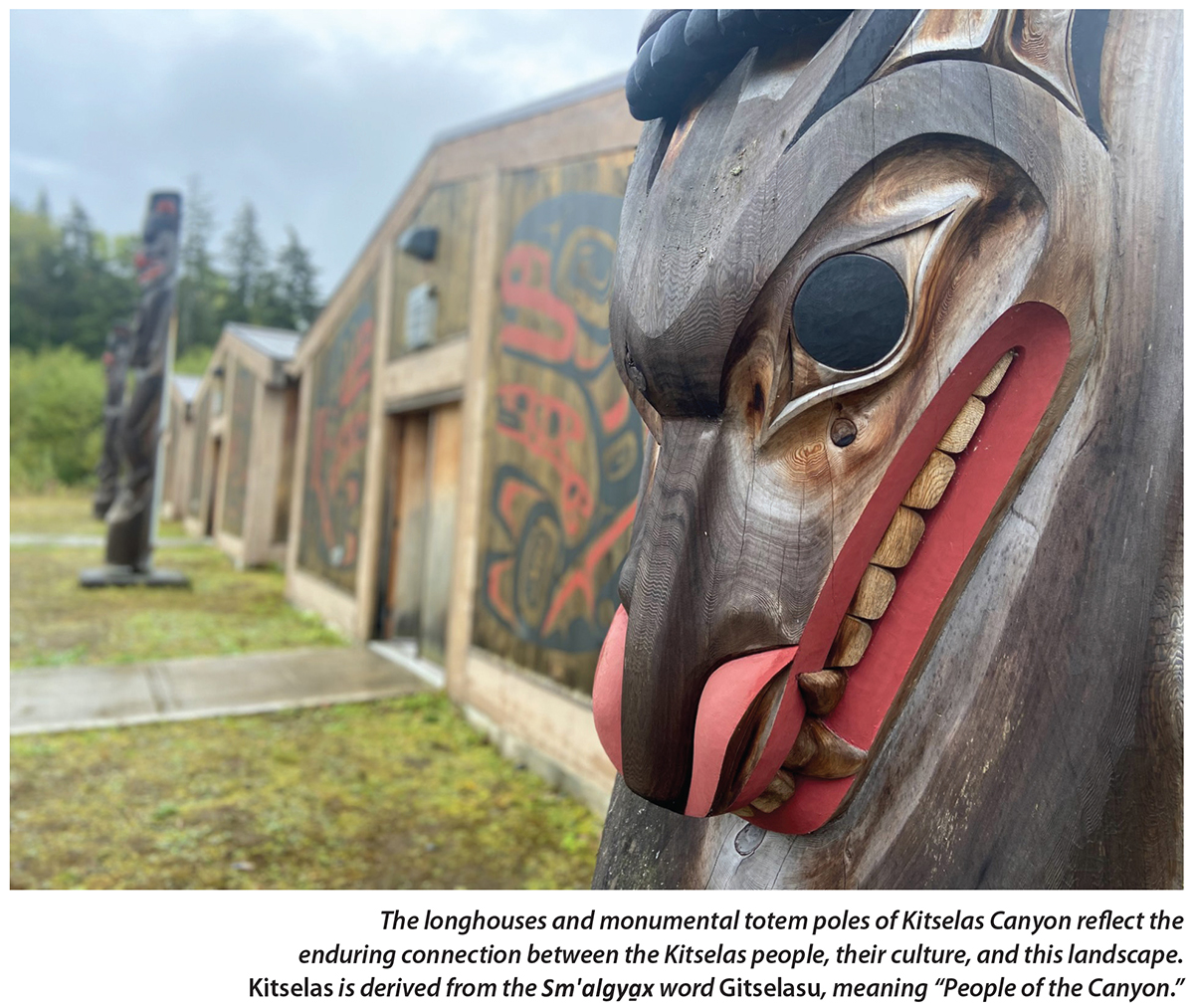
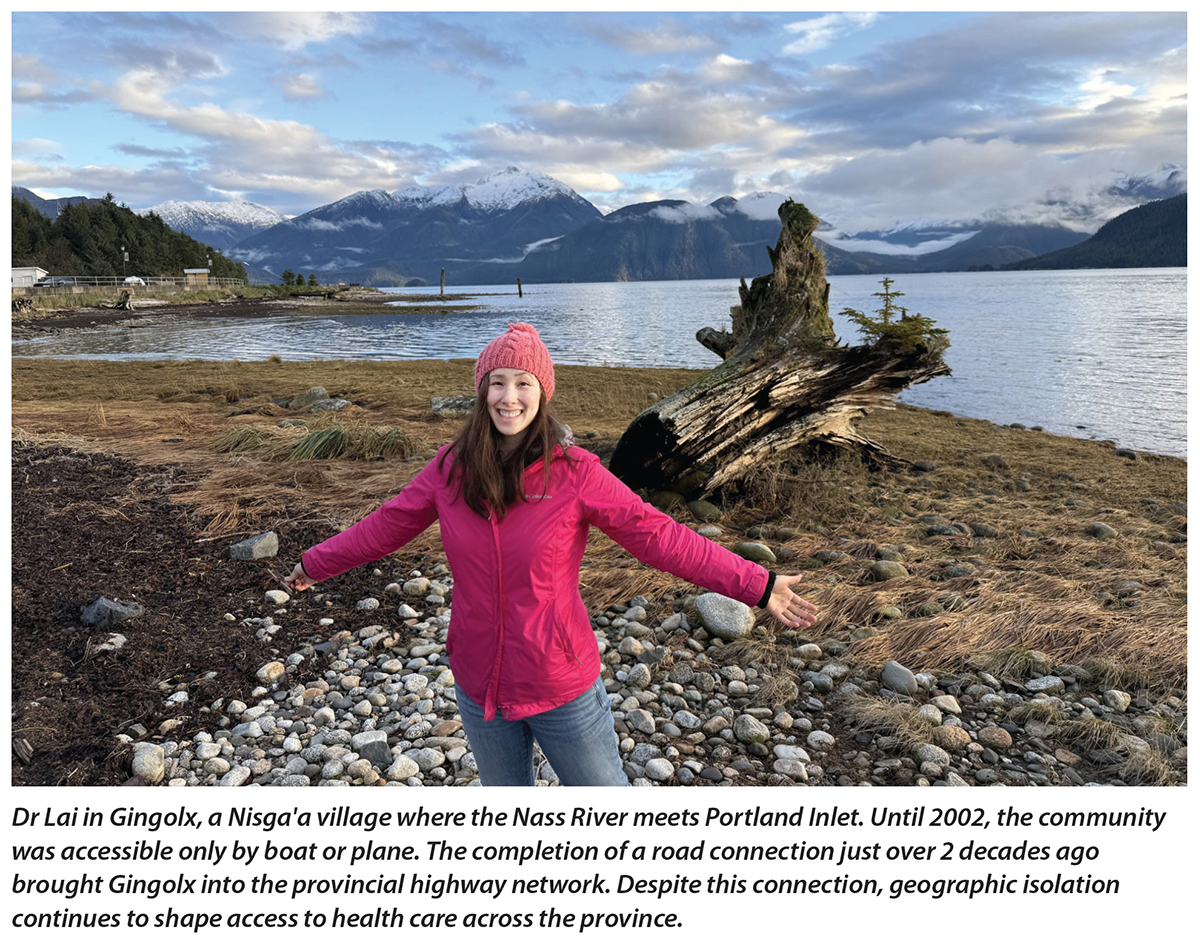
Working alongside Drs Ian Ricketson and Brydon Blacklaws, two seasoned RTVS physicians, we supported communities across British Columbia, including Kitkatla, Atlin, Tsay Keh Dene, Fort Nelson, Tatla Lake, Txalgiuw (Hartley Bay), Bella Coola, and Ahousaht. Some of these communities are accessible only by boat. Others are a 6-hour drive from the nearest hospital with advanced imaging and subspecialty services—that is, if the roads aren’t too icy or flooded. Geography is not a backdrop; it’s an integral part of the clinical picture.
I gained a deep appreciation for the unique skill set required in virtual emergency medicine. Some of it is deceptively simple. How you show up on screen matters, as does the cadence of your speech. Pausing for long enough to allow others to hear you, but not so long that they think the connection has frozen, keeps communication clear. Narrating your decision making aloud ensures that everyone is on the same page.
But beyond the mechanics of a virtual platform is the nuance. Coming from a tertiary care emergency department, we often see virtual medicine gone wrong—patients who present to the ER because something was missed or inappropriate. It’s easy to develop a jaundiced view of virtual medicine. But what if the real comparison isn’t virtual care versus in-person care but virtual care versus no access to care at all?
When it comes to rural communities, I learned that virtual care is not about replacing hands-on clinical medicine; it’s about navigating risk and amplifying the skill and courage already present in these communities. Like an air traffic controller, virtual medicine guides what must land immediately and what can safely circle.
Even if it isn’t face-to-face, you still speak with every patient. Even if you never physically touch the patient, you still examine them, noting their color, mentation, work of breathing, and vitals. You learn what can and cannot be done safely over a virtual network. And sometimes the safest plan is reassessment in the morning when in-person care is available.
Some presentations are particularly challenging in this arena. Abdominal pain and orthopaedic ailments—conditions heavily reliant on physical examination—can stretch the limits of virtual care. Surprisingly, others, such as acute chest pain, can feel more straightforward: Obtain a focused history, vitals, ECG, and labs if available. An ST-segment elevation myocardial infarction is diagnosed: Administer acute coronary syndrome medications, initiate thrombolysis, and coordinate urgent transfer. The principles of emergency medicine remain the same, but the delivery is different. Acknowledging the limitations of virtual care is key to practising well.
Geography and logistics add layers of complexity that I find intellectually stimulating. Even the most bread-and-butter cases become interesting when your patient is hours away from the nearest hospital, weather permitting. A child presenting with a fever and a cough isn’t just another viral illness when follow-up is uncertain. Decisions about antibiotics, observation, and transfer shift when distance and delay are part of the equation. RTVS physicians must operate with a high tolerance for uncertainty while accepting that the margin for error is essentially zero.
Relationships are the foundation that makes this work. The success of RTVS is grounded in trust between patients, nurses, and physicians. I had a patient in Haida Gwaii with new-onset atrial fibrillation and congestive heart failure who didn’t want to travel into town. To many of us, transfer to a larger centre with more specialized care may seem like the obvious choice. But for her, the matriarch of her community, being torn from her responsibilities and support system for yet another long hospitalization was untenable.
As Dr Ricketson often says, “Assumptions don’t work in rural care.” Some patients don’t want to leave their communities. Others absolutely do. Sometimes it is who you would least expect. Regardless, the door must always remain open. Our role is not to impose a rigid standard of care but to work in partnership with each patient—to understand what matters most to them, explain risk clearly, and co-create a plan that is medically sound while respecting each patient’s unique context.
Delivering this kind of care requires deep collaboration. For RTVS physicians, the nurses on the ground become your eyes and hands. I remember guiding one nurse through repairing a deep scalp laceration, a procedure she had done only twice before. Her determination to spare our patient a long winter transfer was truly humbling. Moments like this stand out to me because they capture the collaborative spirit of virtual care at its best: standing behind the people delivering care on the ground.
Sometimes the impact extends beyond a single case. One night while covering Fort Nelson through VERRa, I learned that Dr Ioana Lupu was one of only two doctors in the entire community covering the 24/7 ER. For many physicians, working in rural and remote communities is more than a full-time job. They cover clinics by day and the ER by night. If a VERRa physician–nurse team can give that doctor a full night of uninterrupted rest, that matters. Over time, that may be what keeps physicians in their communities, prevents burnout, and keeps rural emergency departments open.
As I prepare to graduate, I am reflecting on my journey through residency. Working with RTVS has reshaped how I think about distance in medicine and what becomes possible when people are willing to show up for each other across it. I believe that earlier exposure to this kind of work during residency would make a meaningful difference. It builds comfort with uncertainty, communication at a distance, and the realities of rural practice. It also develops a different kind of clinical confidence—less about having every resource immediately available, and more about safely navigating the situation when you do not. These are skills that extend well beyond rural medicine. Whether you ultimately practise in rural or urban settings, experiences like these foster relationships between clinicians, deepen our appreciation for the realities of rural care, and help bridge a divide that extends beyond geography alone.
In many ways, my experience with RTVS reaffirmed why I was drawn to emergency medicine in the first place: It is one of the rare fields in medicine where we have the privilege of caring for people from all walks of life, including those who might not otherwise be able to access health care. Emergencies don’t discriminate, nor should access to care.
To me, RTVS embodies that principle. It isn’t just a technology platform; it is a commitment to being present and showing up, even when you are hundreds of kilometres away. It strengthens the remarkable work already happening in rural communities by fostering collaboration, sharing expertise, and supporting the clinicians who know their communities best. It expands access in ways that are pragmatic, relational, and sustainable, ensuring that rural communities are supported—not just in moments of crisis, but as an ongoing partnership.
hidden
This article has been peer reviewed.

This work is licensed under a Creative Commons Attribution-NonCommercial-NoDerivatives 4.0 International License.
hidden
Dr Lai recently graduated from the University of British Columbia Emergency Medicine Residency Program and is currently an emergency physician at Surrey Memorial Hospital.
