Dr Brian Mayo Hunt, 1939–2026
Issue: BCMJ,
vol. 68, No. 5, June 2026,
Page 181 Obituaries
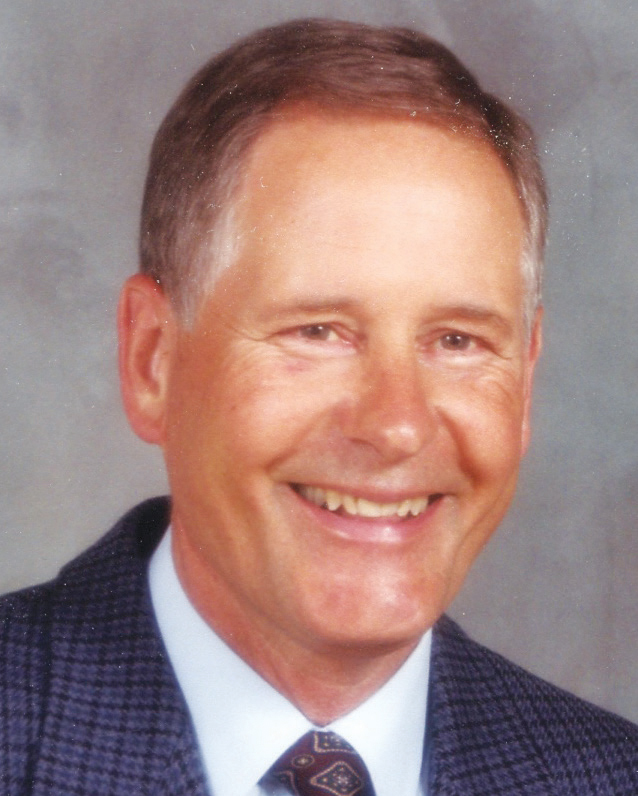
Dr Brian Mayo Hunt, born on 14 January 1939 to Dr Leigh Hunt and Jean Hunt, was the third of four boys. He was predeceased by his parents and his three brothers, Dr John Hunt, Dr David Hunt, and Andrew Hunt, who died of sudden infant death syndrome. Brian was a colorful person with industrious energy who always put service first. He passed away at his home in North Vancouver on 11 January 2026 on his own terms, at peace with his life, surrounded by family.
Brian was raised in Vancouver and graduated from Prince of Wales Secondary School in 1957. He attended the University of British Columbia and solidified the family medical pedigree by graduating from UBC medical school in 1964. He headed east to Montreal General Hospital for his internship, where he met and married Barb, before returning to Vancouver General Hospital for a year-long junior assistant surgical residency (sadly, such positions don’t exist anymore). Brian completed an externship at Lions Gate Hospital as a medical student and followed his attraction to the North Shore by joining the North Shore Medical Group, where he worked as a full-service family doctor for 2 years, becoming an engaged member of the community.
In 1968, Brian and Barb moved to Winnipeg for Brian’s neurosurgical residency under Dr Parkinson. They returned to North Vancouver in 1972, with three young daughters, and Brian returned to Lions Gate Hospital to establish the neurosurgical division with his colleague Dr Barrie Purves. Call demands were heavy and frequent, covering both the North Shore and Burnaby. With no resident staff at Lions Gate Hospital, the success of the unit relied heavily on the well-educated and well-trained nurses. Brian understood the need for a culture of trust and respect, which he cultivated on the unit. Sometimes at odds with administration, Brian’s goal was always to improve patient care.
Brian was very passionate about medicine, recognizing the privilege of service and the care he was able to provide. Although he regretted that the time he spent with his children was limited when they were young, countless patients’ lives were either saved or improved because of his dedication. His commitment to medicine was possible only because of Barb’s steady presence at home, and for that he was eternally grateful. Together they were a team, with Barb being the unsung hero. Knowing Brian’s character, I am not sure he would or could have done it differently.
Brian was very interested in head-injury prevention, espousing the importance of helmets years prior to their mainstream acceptance in sport. He was an expert on cerebral concussion and its management, and he lectured on the topic extensively.
He loved skiing and was a physician with the Canadian women’s national alpine ski team and a doctor on the hill at Whistler and Grouse Mountain for many years. Brian was an avid outdoorsman. He enjoyed fishing and hunting. He had strong ties to the Cariboo and loved his annual grouse-hunting trip to the Chilcotin with his brothers, nephews, and faithful Labrador retrievers. Camaraderie was foremost on these adventures. Brian was also an accomplished yodeler, and his yodeling skills were often on full display on those trips.
Brian and Barb built a beautiful property on Gabriola Island, where they spent most of their free time with family and entertaining friends. Their daughters, sons-in-law, and grandchildren no doubt have many fond memories of their time with Brian, learning everything from how to drive a stick shift to how to use a chainsaw. His practical knowledge was boundless. Brian’s workshop was something to behold; he was meticulous in keeping it clean and organized, like an OR. He loved to garden and fix things. In his retirement, he taught himself how to play the bugle and took to writing stories, sometimes making his family blush with the content. Part of Brian’s charm was his irreverence, but he was honest with people, too—a nice combination. Brian had a wonderful memory and loved to tell stories. Cocktail hours overlooking the Salish Sea were immensely entertaining—Brian loved a good laugh.
Brian taught me much along my journey into medicine. He was not only an uncle but also a mentor, a colleague, and, more recently, a friend. His unique personality and dedication to caring will be missed. He set a high bar in medicine.
—Harold Hunt, MD
Victoria
hidden
Correction: The author provided a revision to Dr Hunt's obituary: Andrew Hunt was Dr Hunt's brother, not his son. The content was revised in July 2026.

This work is licensed under a Creative Commons Attribution-NonCommercial-NoDerivatives 4.0 International License.