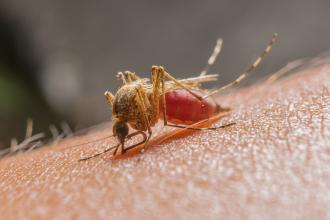
No West Nile virus (WNV) activity was detected in BC in 2005; however, activity in the rest of Canada was increased over 2004 with 229 cases and 12 deaths from WNV reported. The majority of cases were in Ontario and Manitoba, but there were human infections in Quebec, Saskatchewan, and Alberta. Last year, 2005, was considered an average year for endemic WNV transmission in Canada and it is expected that this level of activity will continue.
Patients are exposed to many sources of health information. While not all sources are of the same quality, patients will make important decisions based on information they feel to be credible. In the last 100 years, the medical profession has made a concerted effort to bring the best available scientific evidence to bear on health concerns. Yet this process is not necessarily mirrored by other groups offering health advice.
I’ve had the sense for quite some time that my writing has been sounding more like an Andy Rooney rant about how great things used to be rather than an uplifting affirmation of how great we’ve all become. I realize that this is most likely a reflection of the average length of my terminal teleomeres, but after some recent events that remind me of the radical seventies, I think I may have been short-changing the professional commitment and revolutionary zeal in all those new young doctors.
I read with interest your editorial concerning the Northern Medical Program at UNBC [BCMJ 2006;48(4):157-158]. I agree that UBC’s devolution of medical education to the regions has much to commend it in terms of improving recruitment and retention of medical personnel and addressing the unique health needs of people in the North.