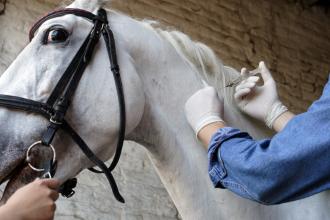
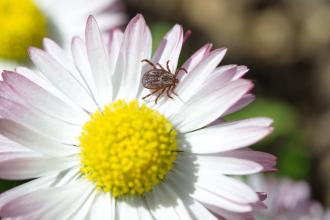
Should doctors be concerned about antimicrobial resistance in animals, particularly food animals? The Environmental Health Committee thinks so.
Doctors are increasingly aware that viral infections in our patients are unphased by the prescription of antibiotics. We are made more aware by campaigns such as Do Bugs Need Drugs? that educate the public and hopefully help doctors limit antibiotic prescriptions if there is little objective evidence that they will be curative.
Tularemia is a zoonotic disease caused by Francisella tularenis, which is endemic in British Columbia and other parts of Canada.[1,2] There are various clinical presentations, and diagnosis may be difficult.
Because tularemia is a potentially serious and life-threatening disease that is treatable with appropriate antimicrobial agents, early clinical suspicion and appropriate diagnostic testing are required.
The Greek physician Hippocrates was first to describe the analgesic effects of bark from the willow tree, a salicylate-containing plant. Although the mechanism through which willow bark relieved pain was not understood, it was used as an effective herbal remedy for over 2000 years.
In 1826, two Italian researchers, Brugnatelli and Fontana, successfully isolated the active compound, salicin.[1] Unfortunately, because of its significant gastrointestinal side effects, the compound’s clinical utility was limited.
Workers who are exposed repeatedly to crystalline silica particles over prolonged periods are at risk for developing silicosis.
Toxicokinetics
Silica is the most abundant mineral on earth and exists in crystalline (toxic) and amorphous (non-toxic) forms. Naturally occurring examples include quartz, volcanic rocks, and flint. Silicates—combined silicas—include asbestos, talc, and mica.