I wonder if I am the only one upset about the fee charged by the College for sending out letters of standing?
The current rate is $73.50 to let another college know if I am in good standing or not. Considering the annual fee we have to pay, I feel this service should be part of our benefits for being registered. It is interesting to note that I had California send out a letter for $10, and Nunavut and Northwest Territories each charged $20. The College seems to charge what it can get away with, as we have no other options.
—Peter Uhlmann, MD
Powell River
My mother and mother-in-law are in long-term care, and as a volunteer in that facility I have spent many hours on the floor observing and advocating for residents. I have had to repeatedly suggest that the agitation that staff members were reporting in my mom was possibly due to a urinary tract infection. Because of the inconsistency of care, I would suggest this to a nurse who was working that day but not the following day, and then I would suggest it again to the nurse on shift the following day until it was finally investigated and treated, and the agitation would disappear.
It’s a well-known fact about the practice of medicine that things are more likely to go awry when you are caring for someone you know, particularly a colleague. The practice of medicine is challenging enough, but throw in a little familiarity and things can get really tricky. Most of us have an experience or two that cements this opinion, although, thank goodness, I have never had to look after a cardiologist with chest pain, a surgeon with appendicitis, or a psychiatrist with depression. For those physicians who have, I take my hat off to you.
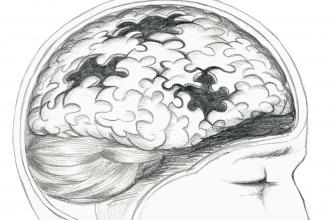
It is widely known that the population of Canada is aging. The first members of the baby boomer generation reached 65 in 2010. By 2026, it is estimated that one in four Canadians will be over the age of 65, with the segment over 80 growing the fastest. With aging comes an increase in neurodegenerative disorders, of which dementia is the most common. The incidence of these chronic conditions rises in prevalence as deaths from cardiovascular disease and cancer decrease, with 30% to 40% of those over the age of 85 diagnosed with some degree of dementia.