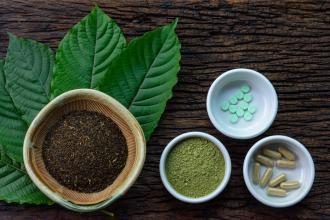
Kratom (Mitragyna speciosa) is a plant indigenous to Southeast Asia known for dual therapeutic and toxic properties: at low doses it acts as a stimulant while at higher doses it activates opioid receptors.[1] The use of kratom in North America has been documented only in recent decades.[2,3] In Canada, kratom is a relatively new psychoactive substance, which has not been licensed for human consumption and has been seized from outlets that were selling it as such.[4]
The concept of students being “sent to the school nurse” when feeling unwell is ubiquitous in popular culture. The reality in BC schools is much different—while health authorities coordinate school- and community-based public health services like immunizations, health education, and health promotion initiatives,[1] most students don’t have access to in-school health care services on a regular basis.
British Columbia declared a public health emergency in April 2016 following a sharp rise in opioid-related deaths due to adulteration of street drugs with imported illicit fentanyl.[1] The College of Physicians and Surgeons of BC endorsed the US Centers for Disease Control Guideline for Prescribing Opioids for Chronic Pain (CDC guideline)[2] in April 2016, and in June 2016, published a prescribing standard[3] that reflected the 12 CDC guideline recommendations.
Until the mid-2000s, methicillin-resistant Staphylococcus aureus (MRSA) infections were predominately hospital acquired (HA-MRSA) and seen mainly in patients and health care personnel.
When persons living at home or in care facilities (referred to here as “patients”) choose to engage in activities that put themselves or others at risk of harm, health care providers must find approaches to support both patient autonomy and the safety of patients and others. This also applies when substitute decision-makers make choices on behalf of patients.