1971 was a heckuva year, as George W. Bush might have said. Justin Trudeau was born in 1971; so too were Elon Musk, Amy Poehler, and Pavel Bure. So, too, was Greenpeace. As if that wasn’t enough, 1971 was the year in which I graduated from medical school. That was 47 years ago, and medical practice was … different.
A 45-year-old healthy female presents to you with a 3-week history of nonbloody diarrhea. Initially she experienced 5 to 10 watery bowel movements per day with abdominal pain, low-grade fever, fatigue, and nausea. Although she has improved, she continues to have relapsing semiliquid stools every 2 days with abdominal pain and bloating. She is otherwise well and on no medications. She has not traveled recently, nor has she had contact with other symptomatic people. A stool C&S performed at a walk-in clinic was negative. You order a stool O&P.
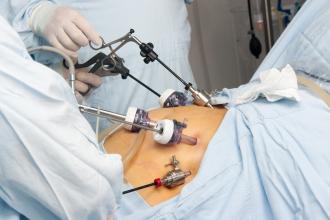
The adverse effects of obesity impact every aspect of the health care system. Studies have demonstrated that diet, lifestyle modifications, and currently available pharmaceutical agents are relatively ineffective in treating severe obesity in the long term.[1] Bariatric surgery is the only evidence-based approach for sustainable weight loss in patients with severe obesity.
In the mid-50s, when some of us were training to become doctors, we were often told that one of our roles in providing health care was to act as the patient’s advocate. This advice was repeated by all our dedicated clinical teachers (including the current premier’s father), and we were impressed by them as role models. Once medicare was established, the doctor-patient relationship was slowly and progressively eroded by the health care bureaucrats, who successfully used their position as the funding agency.