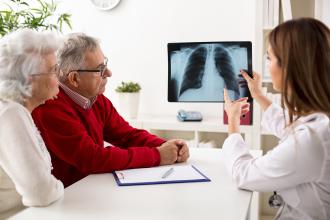
Patients with chronic obstructive pulmonary disease (COPD) face many hurdles during their illness. Having the diagnosis made in the first place can be a challenge because access to spirometry may be difficult. Once diagnosed, access to medication, rehabilitation, and community support is often limited.
Postoperative pulmonary complications are common, especially in elderly patients with comorbidities. Nearly 5% of all patients undergoing noncardiac surgery experience significant pulmonary complications.[1] Postoperative pulmonary complications include respiratory failure, pneumonia, and atelectasis. Risk factors that can be assessed at the bedside include the following:
• Advanced age (e.g., age greater than 65 years increases the risk of complication 4.7-fold or by 370%).
Chronic obstructive pulmonary disease (COPD) is characterized by progressive and irreversible airflow obstruction associated with a chronic inflammatory process in the lungs in response to the inhalation of particles and toxic fumes such as tobacco smoke and air pollution.
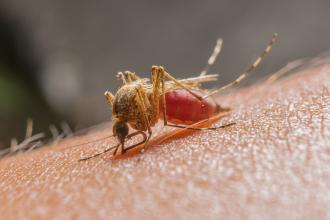
Malaria is a protozoan parasitic disease caused by infection of the red blood cells with one (rarely two) species of the genus Plasmodium: Plasmodium falciparum, P. vivax, P. ovale or P. malariae.
A recent study suggests that you’re better off being fat and fit than thin and inactive.
If you are anything like me (one of those average people who put on weight in their thirties and forties), once the weight is gained it is very hard to take off. More and more now we hear of the problems of being overweight and obese.