Recent audits have revealed that physicians may be claiming fee item 14033 (complex care) when there is no confirmed diagnosis of a second chronic condition.
Fee item 14033 was developed to compensate GPs for the management of complex patients residing in the community who have documented confirmed diagnoses of two chronic conditions from at least two of the eight categories listed below.
What is Zika?
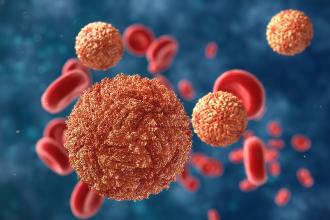
Zika virus is a flavivirus from the same family as dengue virus and West Nile virus. Infection in humans was rare and isolated to Africa and Asia until 2007.[1-3] Since the first human case of Zika infection in the western hemisphere was reported in 2015,[3] the virus has caused widespread outbreaks across Central and South America, Mexico, and the Caribbean.
Ancient philosophers and physicians such as Plato and Hippocrates believed in the relationship between physical activity and health, and the lack of physical activity and disease. However, by the mid-20th century it was believed that physical activity might be harmful to health. Moreover, the recommended treatment of the time after myocardial infarction was complete bed rest. It was not until landmark epidemiological studies in the 1950s that physical inactivity was associated with increased risk of coronary heart disease (CHD).
Athletes are thought to represent the pinnacle of health and fitness. When a young athlete suffers a sudden cardiac death (SCD), it is a rare but catastrophic event that garners attention from the media, the general public, and the medical community. SCD in athletes is often the result of lethal arrhythmias caused by genetic disorders that have gone undiagnosed because patients tend to be asymptomatic.[1] In addition to inherited disorders, other risk factors and conditions can predispose athletes to cardiac events.
The sudden cardiac death (SCD) of a young athlete is typically the result of structural and arrhythmic disorders that go undiagnosed, as the conditioned athlete typically doesn’t exhibit symptoms.[1] As a result, medical organizations such as the American Heart Association (AHA) and the European Society of Cardiology (ESC) have published recommendations for the routine pre-participation screening of young competitive athletes.