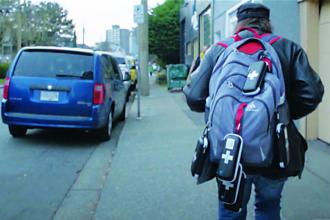
The spike in overdose deaths in BC due to COVID-19 serves as a reminder that the lack of access to harm-reduction services has significant implications for people who use drugs (PWUD). One of the cornerstones of harm-reduction services in BC is the Take Home Naloxone (THN) program created in 2012. We hope that by providing insight into the program, medical providers will discuss and offer the lifesaving THN kits in clinics and hospital settings when appropriate.
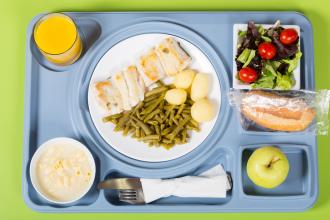
Institutional food consistently receives negative feedback, whether the person rejecting it is a hospital patient or a vulnerable senior living in long-term care. As medical coordinator at Providence Healthcare’s Holy Family Hospital long-term care in Vancouver, I noticed that during the annual team-family conferences with interdisciplinary staff, long-term care residents, and their families, food frequently came up as a topic of concern.
A list of books and articles about trauma-informed care, available through the College Library, is provided online at www.cpsbc.ca/files/pdf/Library-Trauma-Informed-Care-Resources.pdf. The books and articles were selected with particular focus on those providing practical recommendations to optimize care for patients who have experienced a traumatic event.